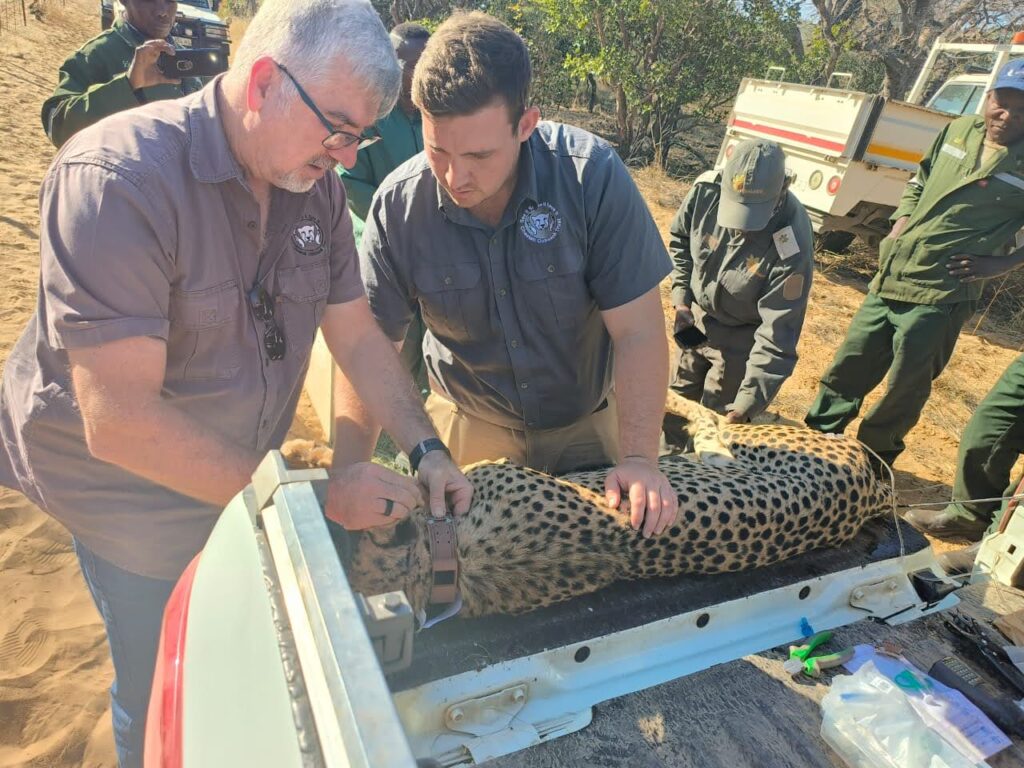
The Cheetah Outreach Trust in partnership with Ashia Cheetah Conservation, and the University of Groningen, has embarked on a Free-Roaming Cheetah Census Project. This Census was done over a period of three years and was concluded at the end of 2025. The data will be analised and written up into a report expected by mid 2026. Farmer questionares, camera trapping as well as collaring of free roaming cheetah were used to collect data on free roaming cheetahs over an area of 19 million hectares of free roaming cheetah distribution range in South Africa. This is the largest census project ever done on free roaming cheetahs in South Africa.
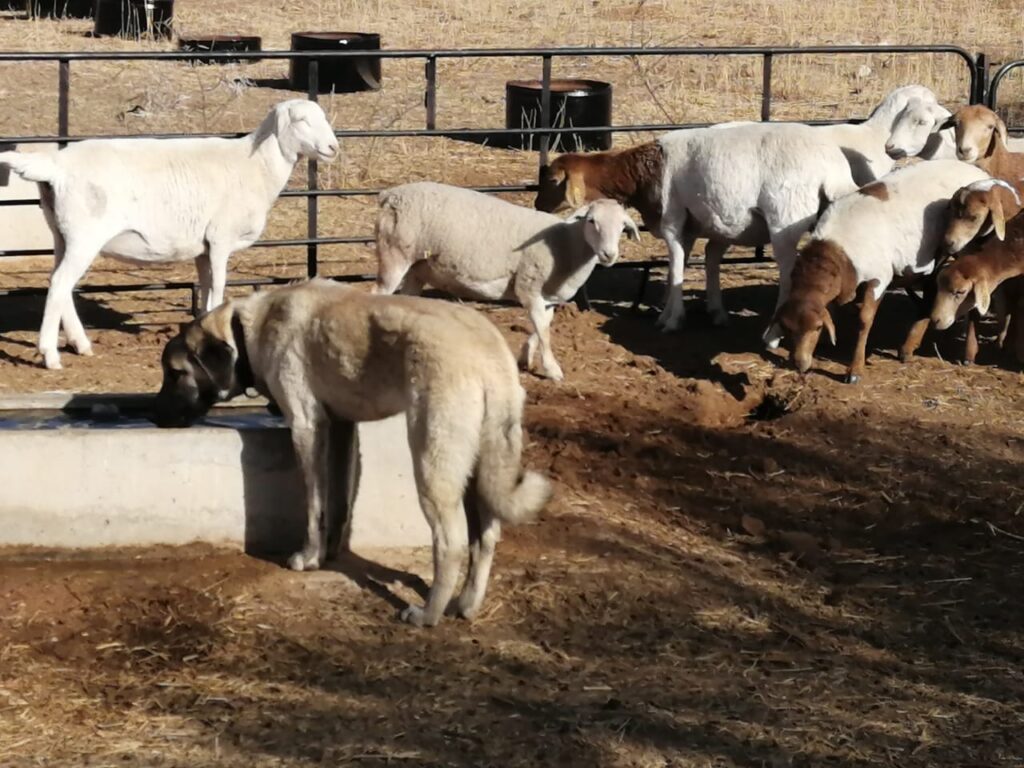
The goal of the project is to mitigate human-wildlife conflict on livestock farms within the current cheetah distribution range by placing Anatolian Livestock guardian dogs on farms to assist farmers in protecting livestock from predation.
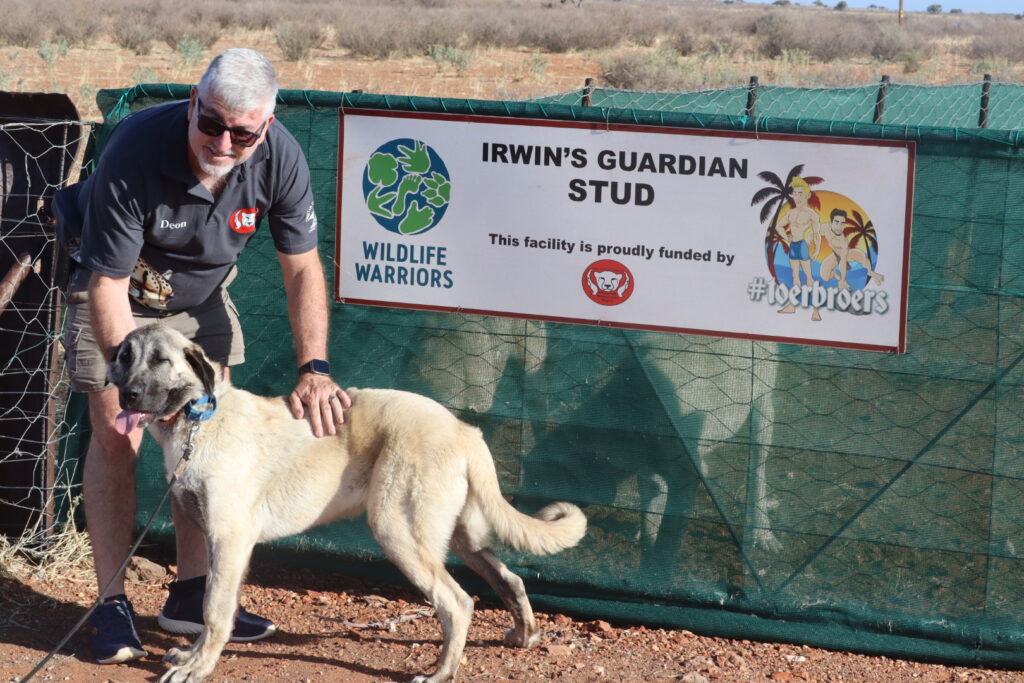
The Irwin’s Guardian Livestock Guarding Dog Breeding Facility was named in recognition and in honour of Steve Irwin and the support of the Irwin family of the Australia Zoo.
The Cheetah Outreach Trust’s education programme is a community-based, curriculum-linked series of interactive presentations offered in house at the Cheetah Outreach facility. Informal education and information sharing is also presented one on one with farmers during farm visits as well as at farmer meetings.
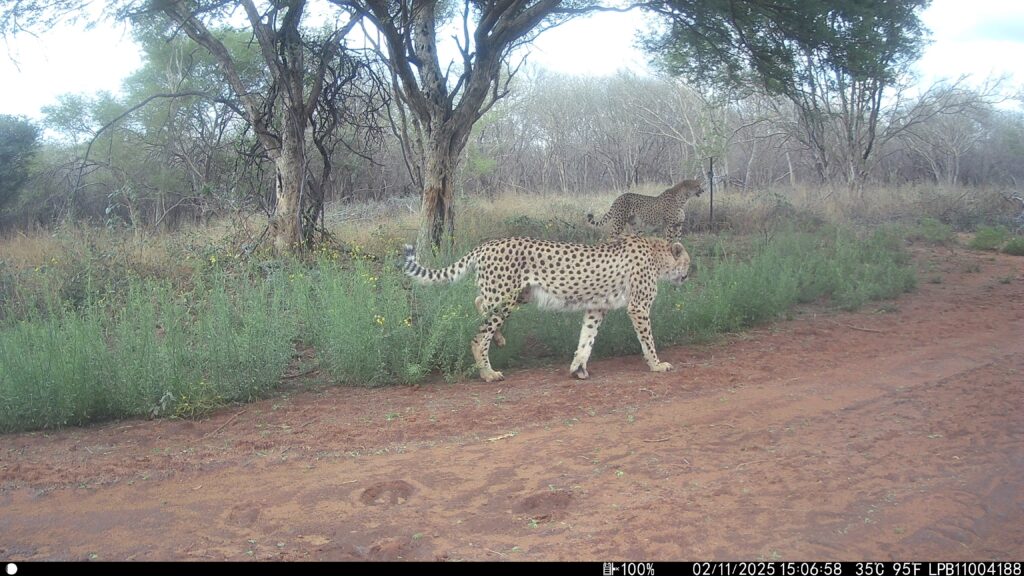
Our field officers set up camera traps in selected areas across the cheetah range. These include farms where livestock guardian dogs are placed, as well as other key locations.
The cameras help us monitor the presence — or absence — of cheetahs and other large predators on farmland. This forms part of our long-term monitoring project.
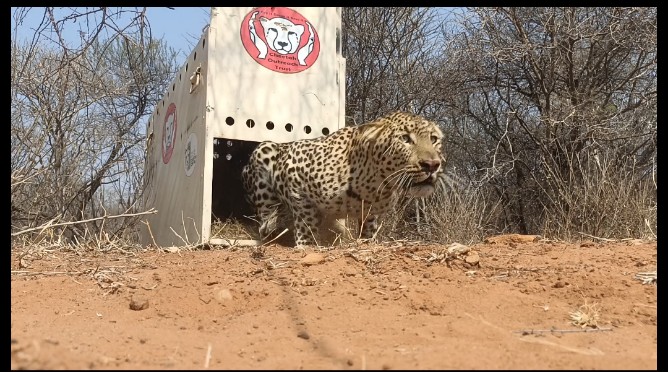
The Cheetah Outreach Trust uses the cheetah as a flagship species to promote co-existence of predators on farmland areas and the main focus remains the conservation of the free roaming cheetah on farmland areas in South Africa. In exceptional cases predators that have been captured by farmers as a last option will be relocated into safe release areas within the natural range of the specific predator to rescue it from a potential conflcit risk situation. This gives us the opportunity to offer the farmer pratival workable predation options to prevent this type of predator capture taking place again.